The first time I handled a mobile windshield replacement for a client with a high-deductible policy, I watched two quotes drop by a third simply by structuring the claim correctly and clarifying coverage with the adjuster. The glass company didn’t change their labor. The insurer didn’t change their underwriting. What changed was how the job was coded and which benefits applied. That is the game inside the game: the coverage you already pay for can shrink your out-of-pocket by hundreds of dollars if you know how to use it.
This guide walks through the practical side of getting a lower mobile windshield quote without risking safety or running afoul of your policy. It blends what shops look for, what insurers permit, and what tends to move numbers in your favor.
Why the mobile model complicates pricing
Mobile auto glass work sounds simple. A technician meets you in your driveway, replaces the windshield, and you’re back on the road after the adhesive cures. The mobile piece, though, adds variables that affect insurance and pricing.
Weather drives scheduling and materials. Adhesive choice changes with temperature and humidity. Calibration requirements shift because some vehicles demand a controlled environment to recalibrate cameras and sensors. Add traffic and drive time for the technician, plus the variability of on-site conditions, and a “simple” job can become a complex, multi-line estimate. That complexity is where insurance coverage can help if you navigate it correctly.
The cost anatomy of a windshield replacement
Before you even search auto glass near me or ask for a windshield quote, break down what you’re paying for. Most invoices contain the same building blocks, even if the line items look different:
- The glass itself. OEM, OEM-equivalent, or aftermarket. Heated elements, acoustic interlayers, infrared coatings, and heads-up display compatibility can push cost from 300 dollars for a bare windshield to 1,200 dollars or more for a loaded one. Molding and clips. These consumables keep the glass sealed and seated. Skimp here and you’ll fight wind noise or leaks later. Adhesive system. Urethane costs vary, and premium fast-cure formulations cost more but shorten safe drive-away time. Labor for removal and install. Mobile rates often reflect travel time. Calibration. If your vehicle has ADAS features like lane departure warning or automatic emergency braking, a static and/or dynamic calibration is often required. That can add 150 to 450 dollars at an independent shop, more at a dealer. Waste disposal and shop fees. Small money individually, but they add up.
Insurance interacts with each category differently, depending on whether you’re filing under comprehensive coverage, glass-specific endorsements, or paying cash.
Understanding how insurers view glass claims
In most states, windshield damage falls under comprehensive coverage, not collision. That means vandalism, road debris, hail, or a stray tool on the highway typically count as comprehensive events. The key questions become: what’s your deductible, do you have a separate glass Camden car window repair deductible, and does your policy include full glass coverage?
- Comprehensive with standard deductible. If your deductible is 500 dollars and the windshield replacement quote is 600, a claim barely makes sense. If the quote is 1,200, it does. Separate glass deductible. Many carriers offer a lower glass deductible, often 0 to 200 dollars. If you have it, your out-of-pocket can drop significantly on an auto glass replacement. Full glass coverage. Some policies in glass-friendly states cover windshield replacement without a deductible. You’ll still need to use a preferred network shop unless you accept a cash-out or follow the carrier’s opt-out process. Chip repair vs replacement. Insurers love repairs. A repair usually costs 70 to 150 dollars and often doesn’t hit your deductible at all. If the damage is small and outside the driver’s primary field of view, you can save a full replacement and maintain the factory seal.
A quick call to your carrier or a peek at your declarations page clarifies which track you’re on.
How to get an accurate auto glass quote that insurers will honor
I’ve watched people collect three “quotes” that weren’t apples-to-apples, then assume the lowest price was the cheapest option. By the time calibration and moldings were added, the “cheap” job cost more. If you want a number that will hold up under insurance review, specify these details when requesting an auto glass quote:
- Full VIN. This determines features like acoustic interlayer, HUD, rain sensor, solar coatings, and camera brackets. ADAS status. Tell them which driver assistance features you have and whether warning lights are active. Mobile vs shop service. Some calibrations require a controlled environment. Ask whether your car needs shop-based calibration or if a mobile dynamic calibration suffices. Calibration scope. Confirm whether the quote includes static, dynamic, or both, and whether they outsource to a dealer. Glass type requests. If you prefer OEM or OEM-equivalent, say so upfront. If you’re open to quality aftermarket, that can free up insurance flexibility.
Give two shops the same data and you’ll get quotes your insurer can compare quickly. If the shop uses insurer-friendly estimating software and includes correct part numbers, authorization tends to move faster too.
The leverage points that commonly lower cost
If you have comprehensive coverage and you’re aiming for a lower out-of-pocket, these are the levers that consistently make a difference:
- Separating glass coverage from comprehensive. If you have a glass endorsement, insist the claim runs under it. I’ve seen adjusters default to the higher deductible category if the FNOL (first notice of loss) is vague. Repair before replacement. Many carriers allow zero-deductible chip repair even if your comprehensive deductible is high. If the crack is short, off the critical viewing area, and the damage is recent, repair can preserve the factory seal and cost you nothing. Choosing the right glass tier. OEM windshields can be double the cost of high-quality aftermarket for certain models. If your policy doesn’t require OEM on vehicles past a certain age, agreeing to OEM-equivalent can lower the claim value and sometimes eliminate surcharge risk on the back end. Preferred network shops. Insurers negotiate rates with network partners. You may prefer a local independent, and in many states you have the right to choose. If you’re cost sensitive and timing matters, a network provider can reduce paperwork friction and lower negotiated prices. Bundling calibration. Some shops perform calibration in-house. When they do, insurers often approve a packaged rate that is lower than an install plus a dealer calibration fee. Ask if the shop can provide OEM-compliant calibration certificates and post-scan documentation.
You’re not gaming the system here. You’re aligning the job with the benefits your policy already provides.
The mobile variable: when you should consider shop service
Mobile service is a lifesaver when your schedule is tight or the car isn’t easily drivable. It isn’t ideal in every case. Adhesive cure times lengthen in cold or humid conditions, which can extend your safe drive-away time. Static camera calibrations need targets, level floors, and consistent lighting. If the shop tells you they recommend in-shop calibration, that isn’t a sales tactic. It protects you from ghost codes or lane-keeping drift.
Here’s the pattern I see: newer vehicles with forward-facing cameras often need shop-based calibration, while older vehicles without ADAS or with only a simple rain sensor can be handled mobile. Ask the shop to explain why they recommend one approach over the other. If their explanation references calibration type, OEM procedures, and adhesive cure specs, you’re in good hands.
Navigating deductibles and when to file
A common mistake is filing a claim that doesn’t beat your deductible, then discovering you’ve created a claim record. Glass claims are often treated more leniently than collision, but it still pays to do the math.
Let’s say your windshield quote is 950 dollars all-in. You have a 500 comprehensive deductible and no glass endorsement. If you file, your out-of-pocket is 500 and the insurer pays 450. If you don’t file, you pay 950 cash. Filing makes sense. Now imagine you have a 1,000 deductible. Filing yields no immediate benefit. In that case, ask the shop for a cash price, which may be lower than a billed-to-insurance price. Shops sometimes pass on the savings from sidestepping insurer billing overhead.
If your state permits full glass coverage or a low glass deductible endorsement, buying that add-on when renewing your policy can pay for itself the first time a gravel truck peppers your windshield.
OEM, OEE, and aftermarket: what insurers actually approve
Insurers use language that confuses customers. “OEM” is from the vehicle manufacturer. “OEE” often means OEM supplier glass made to the same spec without the automaker’s branding. “Aftermarket” ranges from high-quality third-party glass meeting DOT standards to budget panels with looser acoustic or optical tolerances.
I’ve seen misfit HUD image alignment and camera calibration failures with ultra-cheap panels. I’ve also seen excellent results with top-tier aftermarket on vehicles without projection or complex coatings. Insurers commonly approve aftermarket when the vehicle is older than 2 to 3 years, unless a safety calibration fails and the shop documents that OEM is required. If you’re particular about acoustics or HUD clarity, ask for OEM or OEE and be ready to cover the price difference if your policy doesn’t mandate it. On many mainstream models, choosing OEE over OEM can shave 150 to 300 dollars from the quote without sacrificing safety.
How to use a preferred network without losing choice
When you search auto glass near me, you’ll find both independents and national chains. Carriers maintain preferred networks because they negotiate pricing and quality standards. If you want the fast lane on approvals, let your insurer connect you to a network provider. If you already have a trusted shop, most states protect your right to choose, though reimbursement may be capped at a “reasonable and customary” rate.
Ask your insurer whether choosing an out-of-network shop affects your deductible or rental coverage. Typically it doesn’t, but approval can take longer, and you may need to submit documentation to support calibration methods or glass selection. A strong independent shop will know how to provide ADAS calibration reports, pre- and post-scan results, and adhesive batch records so the claim clears quickly.
The ADAS calibration factor you cannot ignore
Cameras and sensors are not a formality. If you replace a windshield on a vehicle with forward-facing cameras and skip calibration, your lane-keeping assist and automatic braking may aim a few degrees off. That misalignment can mean late responses at highway speeds.
Insurers will cover calibration when documented as required by OEM procedure, which most are. If a shop suggests skipping calibration to save money, that’s a red flag. The better shops will show you the OEM service information and include calibration on the auto glass quote as a separate line item. If you’re comparing quotes, confirm both include the same calibration scope. It’s easy to think one bid is cheaper when it simply left out a required step.
When repair is the smarter financial move
If the damage is a small chip or a short, non-spreading crack away from the driver’s primary field of view, a resin repair can restore structural integrity and stop the crack from growing. The blemish remains faintly visible, but the windshield retains its factory bond. Many insurers waive the deductible for repairs, because spending 100 dollars today saves them a 900-dollar replacement later.
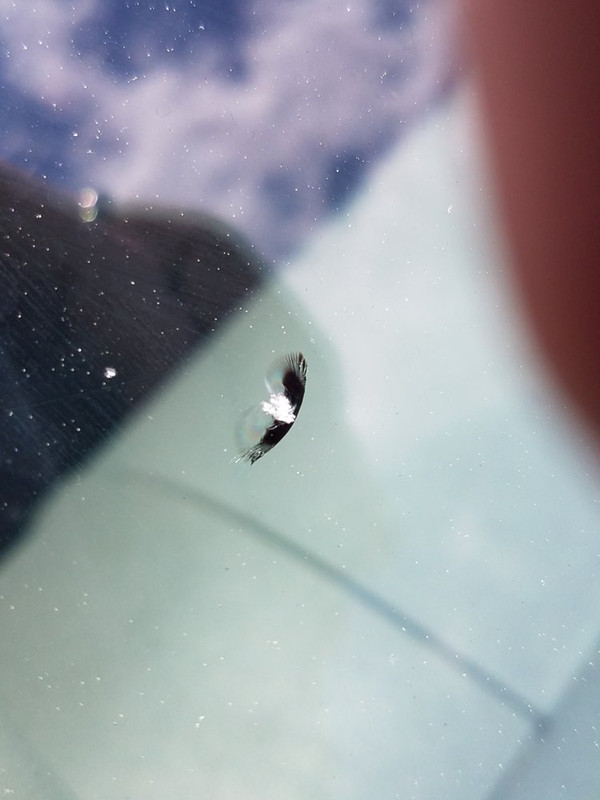
Time matters. A fresh chip is cleaner and repairs better. Dirt and moisture in an older crack reduce the cosmetic result. If you run your fingernail over the damage and feel a pit, and it sits smaller than a quarter, call your insurer and ask about zero-deductible repair. If they confirm it, you can still search auto glass near me for a local mobile repair tech and have the shop bill the carrier directly.
How to talk to adjusters and shops so your claim sails through
The words you use at first notice of loss shape the claim. Be precise without speculating.
- Describe the cause as road debris strike or similar comprehensive language if that’s accurate. Avoid phrases that imply wear and tear or pre-existing damage, which insurers consider maintenance rather than loss. State whether you noticed ADAS warnings after the damage, but don’t claim calibration is unnecessary unless a technician confirms it. Ask whether your policy includes full glass coverage or a separate glass deductible. If it does, request the claim be coded accordingly. If you prefer mobile service, say so, but accept the shop’s recommendation for in-shop calibration if required.
On the shop side, provide the VIN and a photo of the damage. Ask for a written auto glass quote that lists glass type, moldings, adhesive brand, calibration scope, and whether the service is mobile. If you intend to use insurance, tell the shop at the start so they structure the estimate to match insurer requirements.
Real-world examples that show where the savings come from
A client with a 2019 SUV and a 1,000-dollar comprehensive deductible called after a stone strike generated a 10-inch crack. Initial mobile windshield replacement bids clustered around 1,050 to 1,200 dollars including dynamic calibration. Filing a claim would have produced no immediate benefit. We looked at the damage location and confirmed it sat outside the driver’s primary field of view. The shop performed an extended crack repair using a bridge and resin system for 175 dollars. The line is faintly visible at certain angles, but it passed state inspection and saved over 800 dollars. If the crack had been longer or across the field of view, replacement would have been the only safe option.
Another customer with a 2021 sedan had full glass coverage. The first shop quoted OEM glass at 1,300 dollars, plus 300 for static calibration. The insurer’s network shop quoted a high-quality OEE panel at 950 including calibration. The policy didn’t require OEM. The client chose the network option, paid zero out-of-pocket, and the shop produced calibration certificates and a post-scan record. HUD clarity would have tipped the decision toward OEM, but that car didn’t have HUD or acoustic glazing, so OEE was a sensible call.
I’ve also seen a premium-brand SUV with a rain sensor and camera fail dynamic calibration on the road, then pass static calibration in a controlled shop environment. The extra shop visit added inconvenience, but the insurer covered both attempts when the shop documented the need to switch methods. The lesson: if a mobile calibration fails, don’t panic. A competent shop will resolve it in the bay.
Timing and seasonality
Glass damage spikes after winter when sand and gravel linger on highways. Shops get slammed. Insurers see increased volume, and response times lengthen. If you can schedule early in the day, you’ll catch technicians before weather shifts or traffic delays. In very cold climates, curing slows and safe drive-away times lengthen, which can complicate same-day travel plans. Ask the shop for the adhesive’s minimum safe drive-away at the day’s forecast temperature and humidity. That single detail can save you from rescheduling work or missing a meeting.
The search for the right provider
When you type auto glass near me and sift through the options, pay attention to more than star ratings. Look for shops that:
- Can articulate ADAS calibration requirements for your vehicle and show sample calibration reports. Offer multiple glass tiers and can explain the trade-offs honestly, not reflexively upsell OEM when it’s unnecessary. Provide clear safe drive-away guidance and adhesive brand information. Communicate with insurers daily and know the claim codes and documentation carriers expect.
A good shop makes the insurance piece straightforward. A great one defends your safety and your wallet at the same time.
Edge cases that change the calculus
Leased vehicles. Lease agreements sometimes require OEM glass. If your policy doesn’t cover OEM and you choose it to satisfy the lease, be ready to pay the difference. Save your invoice for lease turn-in.
Classic or specialty vehicles. Aftermarket options may be limited or nonexistent. Lead times can stretch, and mobile service may be impractical. Insurers often approve OEM by necessity when no equivalent exists.
Multiple chips and prior repairs. There’s a limit to how many repairs a windshield can take before optics degrade or cracks link up. At some point, replacement protects safety and may be the only insurer-approved option.
State statutes. A handful of states have consumer-friendly glass laws, including zero-deductible comprehensive coverage for windshields. Others allow insurers to steer more aggressively toward network providers. Know your state’s rules before you start the claim.
Safety and liability when paying cash
If your deductible makes insurance a nonstarter and you’re paying cash, the same safety rules apply. Demand calibration when required. Ask for serial numbers or batch numbers for the adhesive and a printed safe drive-away time. If a shop refuses to provide calibration documentation on a camera-equipped car, walk away. Shortcuts that save 200 dollars can cost you much more if an ADAS feature misbehaves in traffic.
Some shops offer cash discounts, especially when you book during slower periods or agree to flexible scheduling. They can also reduce cost by sourcing OEE instead of OEM when appropriate. Let them know you’re paying cash and ask what options lower the price without compromising OEM procedures.
A simple path from damage to a lower, accurate quote
- Document the damage. Clear photos from outside and inside, plus a note on when and how it happened. Check your policy. Look for full glass coverage or a separate glass deductible under comprehensive. Call your insurer’s claims line. Use concise, accurate language about a road debris strike, and ask whether repairs are zero-deductible. Gather two aligned quotes. Provide VIN, ADAS details, and your preference for mobile or in-shop service. Confirm calibration scope and glass type in writing. Choose the path that fits your coverage. If full glass coverage applies, a network provider often moves fastest. If not, weigh cash pricing and glass type flexibility against your deductible.
Following these steps won’t just lower a number on paper. It will align the work with OEM safety standards and the benefits you’ve already paid for. When the windshield is a structural component, cutting corners rarely saves money for long.
Final thoughts from the field
I’ve yet to see a successful outcome that involved skipping calibration on a camera-equipped car or using bargain-bin adhesive in winter. I have seen thousands shaved off fleet glass budgets by simply treating repair as the first option, leaning on OEE for non-HUD vehicles, and routing claims under glass endorsements when available. If you stay precise with your information, choose shops that document their work, and ask your insurer the right questions at the start, you’ll land a mobile windshield quote that respects both your safety and your wallet.
The next time a pebble snaps against the glass and a line starts to creep outward, pause before you panic. A short call to verify coverage, a disciplined request for an auto glass quote that includes calibration, and a willingness to accept an expert’s recommendation on mobile versus shop service will do more for your bottom line than haggling over 25 dollars on labor. In this space, your leverage comes from knowledge and documentation, not bluster. And it’s enough to make a real difference.